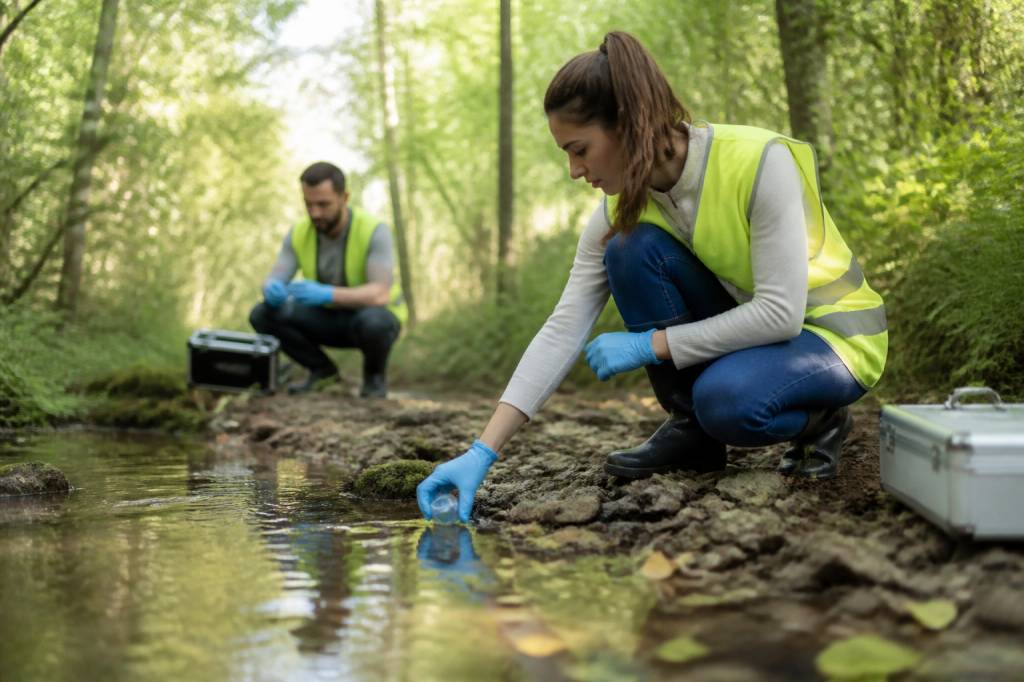
Across the UK, the shift toward a low-carbon economy is changing the labour market in a visible and lasting way. Green jobs are no longer limited to environmental charities or renewable energy firms. They now span construction, transport, manufacturing, finance, education, logistics, public policy, and technology. For people working in traditional roles, this change creates a practical opportunity. It is possible to move into a greener career without starting from scratch, provided you understand where your current skills fit and which new capabilities employers are looking for.
The transition from traditional roles to green jobs in the UK is often more achievable than many jobseekers expect. That is because many of the skills valued in conventional industries are directly transferable. Project management, health and safety awareness, customer service, data analysis, engineering, administration, and team leadership all have a place in the green economy. The challenge is not always capability. More often, it is identifying the right pathway and presenting your experience in a way that fits sustainability-focused employers.
What Green Jobs Mean in the UK Labour Market
Green jobs are roles that contribute to environmental sustainability, energy efficiency, lower emissions, or the responsible use of natural resources. In the UK, this includes work in renewable energy, retrofit and insulation, electric vehicle infrastructure, sustainable construction, waste management, environmental consultancy, circular economy operations, and climate policy. The concept also extends to jobs where sustainability is only one part of the role, such as procurement, facilities management, supply chain coordination, and corporate reporting.
This broad definition matters. It means that a move into green employment does not always require a highly technical background. Some roles need specialist qualifications, but many green careers are built around existing workplace experience, combined with targeted upskilling. Employers in the UK are increasingly looking for candidates who can support net zero targets, reduce energy use, improve efficiency, and help organisations meet environmental standards.
Identify Transferable Skills from Traditional Roles
The first step in making a successful career transition is to identify the skills you already have. Traditional roles often contain more relevant experience than jobseekers realise. A warehouse supervisor may already understand operational efficiency and logistics optimisation. An electrician may be well placed to work on solar panel installation or EV charging systems. A facilities manager may have valuable experience in energy management and building maintenance. An office administrator may be able to move into sustainability reporting or environmental compliance support.
Transferable skills are especially important in the green economy because many employers want people who can adapt quickly and work across teams. If you have experience in problem-solving, organising projects, dealing with customers, or managing deadlines, these are all assets. In many cases, the main task is to frame these abilities in language that reflects environmental goals. Instead of simply describing operational work, highlight efficiency, reduction of waste, energy savings, or process improvement.
Useful transferable skills include:
Match Your Background to Growing Green Sectors
One of the most effective ways to transition into a green job is to target sectors where your current experience already aligns with demand. The UK green economy is expanding in several areas, and some are more accessible than others depending on your background.
If you work in construction, retrofit, insulation, building services, heat pump installation, and sustainable materials may offer strong opportunities. These roles are part of the UK’s wider energy efficiency agenda and are expected to remain important as housing stock is upgraded. If you work in engineering, renewable energy, grid infrastructure, battery technology, and EV charging networks are all relevant growth areas. For people in administration, finance, or HR, sustainability teams in larger organisations often need support with reporting, compliance, training, and policy implementation.
Those coming from logistics or transport may find opportunities in fleet electrification, route optimisation, sustainable delivery operations, and low-emission transport planning. People with experience in manufacturing can look at waste reduction, circular economy processes, environmental management systems, and greener production methods. The key is to focus on sectors where your existing career history provides a credible foundation.
Build Green Skills Through Training and Qualifications
Upskilling is usually the next stage after identifying a target role. In the UK, there are many training routes available, from short online courses to technical qualifications and apprenticeships. The right option depends on your background, the role you want, and how quickly you need to move. A short sustainability awareness course may be enough for an office-based position, while a technical role in retrofit, solar installation, or energy systems may require formal certification.
For jobseekers considering a career change, it is often helpful to look at both general green skills and sector-specific training. General green skills might include carbon literacy, environmental management, sustainability reporting, or ESG fundamentals. Sector-specific skills could involve electrical qualifications, plumbing, heat pump installation, site supervision, or environmental assessment. In many parts of the UK, local colleges, apprenticeship providers, and professional bodies offer courses designed to support this transition.
Online learning can also be a practical way to start. It allows you to gain confidence, test your interest, and strengthen your CV before committing to a more intensive qualification. Some employers value willingness to learn as much as formal experience, especially when the candidate brings strong work habits from another sector.
Adapt Your CV and Cover Letter for Green Jobs
A career move into the green economy requires more than gaining skills. You also need to present your experience in a way that matches the expectations of sustainability employers. This begins with your CV. Rather than listing tasks in a generic way, focus on outcomes that matter in green jobs. Did you improve efficiency, reduce costs, cut waste, improve compliance, or support a major operational change? These details help show relevance.
Your cover letter should make the transition logical. Explain why you want to move into a green career, what part of the sector interests you, and how your background supports the role. Be specific. Employers are often looking for signs that you understand the industry and have taken deliberate steps to prepare. Mention training, volunteer work, or relevant projects where possible. If you have worked on energy-saving initiatives, recycling schemes, process improvements, or health and safety standards, include them clearly.
It can also help to use keywords commonly found in green job descriptions. These may include sustainability, net zero, carbon reduction, environmental compliance, renewable energy, energy efficiency, ESG, decarbonisation, circular economy, and low-carbon transition. Using these terms naturally in your application can improve both relevance and search visibility when recruiters review your profile online.
Use Networking and Industry Insight to Find Opportunities
Many green jobs in the UK are filled through networks, professional communities, and employer engagement before they are widely advertised. This makes networking especially valuable for people changing careers. Speaking to professionals already working in sustainability can help you understand which roles are realistic, what qualifications are most useful, and how hiring decisions are made. It can also help you spot emerging opportunities in regions such as Greater Manchester, the West Midlands, the South East, and Scotland, where green investment is growing.
LinkedIn is useful for this kind of research, as are industry events, job fairs, and local skills initiatives. Trade associations, environmental organisations, and government-backed programmes often share insights about labour shortages and training opportunities. Following employers in renewable energy, construction, public transport, and environmental services can help you learn how they describe green roles and which capabilities they prioritise.
Do not overlook internal mobility either. If you already work for a large employer, ask whether there are sustainability-related projects, secondments, or training schemes available. Many organisations are beginning to align operations with net zero targets, and staff who already understand the business can be strong candidates for internal movement.
Consider Entry Paths That Reduce Risk
For some people, a direct switch into a green job is the right move. For others, a gradual transition is more realistic. Part-time study, volunteering, freelance work, or project-based assignments can all help you build experience without leaving your current role immediately. This is especially useful if you need to maintain income while retraining or if you are unsure which green sector suits you best.
Entry paths can include temporary contracts, apprenticeships, traineeships, and entry-level support roles in sustainability teams. These positions may offer lower starting pay than established mid-career roles, but they often provide strong long-term growth potential. Once inside the sector, professionals can progress into management, specialist technical work, or advisory positions. The key is to think beyond the first job and focus on how each step builds your profile.
Understand Where Green Job Demand Is Strongest
Labour demand in the UK green economy is influenced by government policy, infrastructure investment, housing upgrades, and private sector commitments to reduce emissions. Roles linked to retrofit, energy performance, renewable energy, and electric mobility are likely to remain important for years. Environmental compliance, sustainability reporting, and climate risk analysis are also becoming more common in larger organisations, especially as regulation and investor expectations evolve.
Regional variation matters too. Some parts of the UK have stronger concentrations of renewable energy projects, while others are focused on housing retrofit, industrial decarbonisation, or transport investment. Jobseekers who are flexible about location may find a wider range of opportunities. Those who need to stay local can still benefit from researching regional growth plans and employer partnerships.
Make the Transition a Strategic Career Move
Moving from a traditional role to a green job is not only about changing sectors. It is about aligning your career with a part of the economy that is expected to expand as the UK continues its low-carbon transition. This shift can offer better long-term stability, more meaningful work, and access to sectors that are actively recruiting. It can also make your career more resilient in a labour market shaped by automation, regulation, and sustainability demands.
The strongest candidates are usually those who combine existing workplace experience with targeted green skills and a clear understanding of the sector they want to enter. If you can show that you understand both the commercial and environmental value of the role, you will stand out. Whether you are coming from construction, administration, transport, engineering, retail, or public services, there is likely a pathway into the green economy that fits your background.
For jobseekers in the UK, the opportunity is real. The transition may require planning, training, and a careful repositioning of your skills, but it is increasingly within reach. The green jobs market is broad, growing, and shaped by practical needs. That makes it one of the most promising areas for career changers who want stability, relevance, and a role in shaping the future of work.