
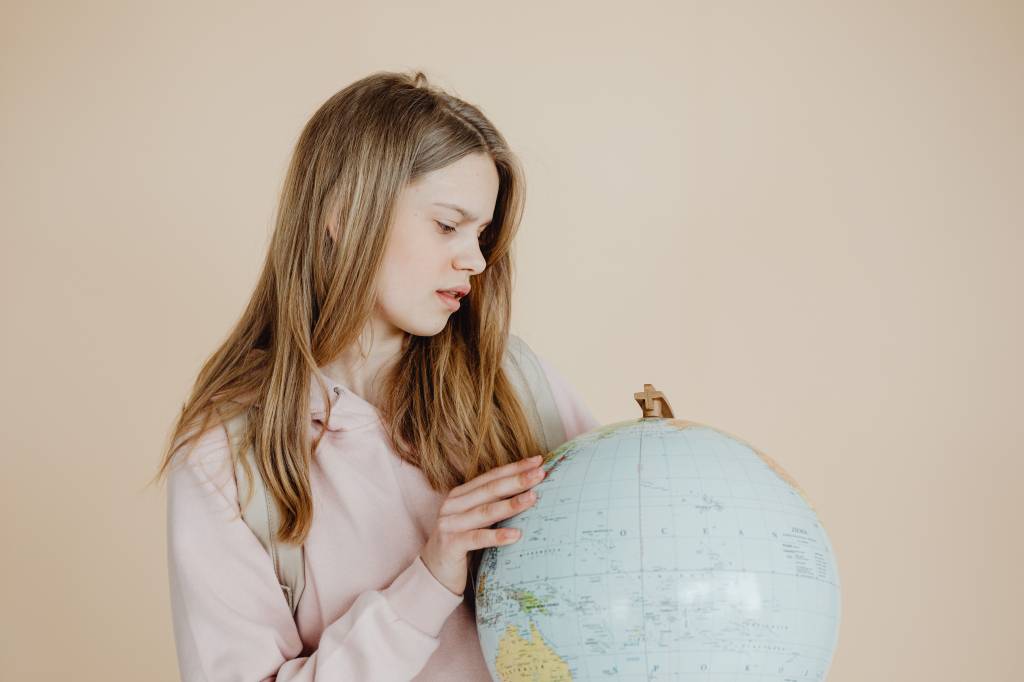
Why French schools matter in a global world
Education systems are being reshaped by globalization, digital transformation, and the growing need for international collaboration. In this context, French schools face both a challenge and an opportunity. They must preserve the strengths of a deeply rooted national education tradition while adapting to a world in which students move across borders, careers evolve quickly, and cultural fluency is as important as academic performance.
The future of French schools will depend on their ability to remain inclusive, ambitious, and internationally aware. Families today expect more than a strong academic program. They also want schools to prepare children for multilingual environments, global citizenship, and technological change. French education has long been associated with rigor, critical thinking, and a strong cultural identity. The question now is how this identity can evolve without losing its essence.
In a global world, schools are no longer isolated institutions. They are part of a larger network of exchanges, ideas, and expectations. Students may later study abroad, work in multinational teams, or live in several countries during their lives. French schools that embrace this reality can offer a powerful advantage: they can combine intellectual depth with openness to the world.
A tradition built on structure and academic excellence
One of the strongest features of French education is its emphasis on structure. From an early age, students are introduced to a clear curriculum, a demanding academic rhythm, and a culture of precision. This approach has historically produced strong readers, thinkers, scientists, and writers. It also encourages discipline, which remains an important trait in an increasingly complex world.
Another defining characteristic is the importance placed on language, literature, philosophy, history, and mathematics. These subjects are not treated as secondary; they are central to the development of intellectual maturity. French schools often aim to develop students who can analyze, argue, and reflect rather than simply memorize information. This remains highly relevant in the modern era, where the ability to think critically is essential.
However, the future will require a balance between tradition and flexibility. A curriculum that is too rigid can limit creativity and adaptability. A future-oriented French school will need to preserve academic excellence while encouraging experimentation, interdisciplinary learning, and student initiative.
Multilingualism as a key advantage
One of the most important trends shaping the future of French schools is multilingual education. English remains essential for global communication, but students increasingly need exposure to more than one foreign language. Spanish, German, Mandarin, Arabic, and other languages are becoming valuable assets in international careers and cross-cultural environments.
French schools are well positioned to develop multilingual learners because language learning is already part of the educational culture. The next step is to make language acquisition more immersive, practical, and connected to real-world use. This means encouraging students to speak regularly, work on projects in several languages, and engage with international content from an early age.
Schools that successfully foster multilingualism help students become more confident in global settings. They also expand access to higher education abroad and international employment opportunities. In this sense, language education is not just an academic subject; it is a tool for mobility, inclusion, and opportunity.
Technology and the transformation of learning
Digital technology has already changed the classroom, and its influence will only grow. The future of French schools will depend on how well they integrate technology without allowing it to replace essential human interaction. Digital tools can enrich learning by making resources more accessible, enabling personalized instruction, and opening new forms of collaboration.
At the same time, schools must teach students how to use technology responsibly. Digital literacy is no longer optional. Students need to understand information verification, online safety, artificial intelligence, data privacy, and the ethical use of digital tools. The role of the school is not just to provide devices or platforms, but to help students become thoughtful digital citizens.
Hybrid learning models may also become more common. Some lessons may be delivered in person, while others may take place through digital platforms or interactive projects. This flexibility can support different learning styles and make education more resilient in times of disruption. Yet the classroom remains irreplaceable as a space for dialogue, socialization, and collective discovery.
International openness and cultural exchange
French schools that thrive in the future will likely be those that build strong connections with the wider world. International partnerships, student exchanges, bilingual programs, and global projects can help students understand different perspectives and develop intercultural competence. These experiences are increasingly valuable in a world where collaboration across cultures is the norm rather than the exception.
For families looking for an educational environment that combines French academic standards with international outlook, a french school can offer an especially relevant model. Such institutions often demonstrate how national identity and global awareness can work together rather than compete with one another.
Exposure to other cultures can also deepen students’ appreciation of their own culture. When young people learn how other societies approach history, science, the arts, or civic life, they become more capable of reflecting on their own values and assumptions. This kind of education encourages humility, curiosity, and respect.
Preparing students for future careers
The labor market of the future will demand adaptability, creativity, and collaboration. Many of the jobs students will hold in twenty years do not yet exist. French schools must therefore move beyond a narrow view of success and equip students with transferable skills that will remain useful across disciplines and industries.
Some of the most important skills include:
- Critical thinking and problem-solving
- Clear written and oral communication
- Teamwork across diverse groups
- Digital fluency and media literacy
- Adaptability in changing environments
- Creativity and initiative
These skills should not replace traditional academic subjects. Rather, they should be developed through them. Mathematics can teach logic and precision, literature can improve interpretation and communication, and history can help students understand complexity and context. Future-ready education connects knowledge with application.
Career guidance will also need to become more dynamic. Students benefit from early exposure to different professions, mentorship opportunities, internships, and project-based learning. Schools that create links with universities, companies, and civic institutions will help students see how their studies connect to the world beyond school.
Well-being, inclusion, and student voice
The global world places high expectations on young people, but schools must remember that academic success cannot be separated from well-being. Stress, social pressure, and uncertainty can affect motivation and learning. French schools of the future will need to pay greater attention to emotional health, balance, and a supportive school climate.
This does not mean lowering standards. It means recognizing that students learn best when they feel safe, respected, and understood. Support services, counseling, anti-bullying policies, and teacher training in student well-being can all contribute to a healthier educational environment.
Inclusion is equally important. French schools must continue to welcome students from diverse social, linguistic, and cultural backgrounds. In a global world, diversity is not a challenge to be managed; it is a resource to be valued. Schools that create spaces where different voices are heard help prepare students for democratic and international life.
Student voice should also play a bigger role in school development. When students participate in discussions about learning methods, school culture, or community projects, they become more engaged and responsible. This participation helps schools stay responsive to the needs of the people they serve.
The role of teachers in a changing system
Teachers remain at the heart of any educational system, and their role will become even more important as schools evolve. In the future, teachers will not simply transmit information. They will act as mentors, facilitators, and guides who help students navigate complexity, make connections, and develop confidence.
To do this effectively, teachers need strong professional development. Training in digital tools, multicultural education, differentiated instruction, and student support will be essential. Teachers should also have opportunities to collaborate with colleagues across schools and countries, sharing practices and ideas that enrich their own classrooms.
The prestige of the teaching profession will also matter. If society wants schools to succeed, it must invest in educators through fair working conditions, meaningful support, and recognition of their expertise. A future-oriented French school system depends on motivated, well-prepared teachers who are trusted to innovate.
Balancing national identity and global citizenship
One of the central questions facing French schools is how to balance a strong national identity with the demands of global citizenship. This is not a conflict, but a partnership. Students can be deeply rooted in French culture while also being open to international dialogue and responsibility.
French language, literature, civic values, and history remain essential. They give students a shared reference point and a sense of belonging. At the same time, students must learn to understand global issues such as climate change, migration, inequality, technological ethics, and cultural diversity. Education should help them see themselves as both citizens of France and participants in a broader human community.
This balance can be reflected in classroom content, school projects, and community engagement. A school that teaches students to care about local heritage while also understanding global interdependence is preparing them for the world they will inherit.
Possible directions for the coming years
The future of French schools will likely be shaped by several long-term developments. Some of the most important include:
- Greater use of bilingual and international programs
- More integration of digital tools and artificial intelligence
- Stronger emphasis on well-being and mental health
- Project-based and interdisciplinary learning
- Closer connections with universities, businesses, and cultural institutions
- Broader attention to environmental and civic education
These changes do not mean abandoning the French model. On the contrary, they can strengthen it by making it more relevant and resilient. Schools that adapt carefully can preserve high standards while responding to the realities of a changing world.
There is also growing interest in personalized learning. Not all students learn in the same way or at the same pace. Technology and pedagogical innovation can help schools better support individual needs while maintaining a common framework of expectations. The goal is not to fragment education, but to make it more responsive.
What success may look like
In the future, a successful French school will likely be one that combines academic excellence, multilingual competence, digital confidence, and international openness. It will still value seriousness, structure, and intellectual depth, but it will also be flexible enough to encourage creativity and collaboration.
Students from such schools will be able to read complex texts, speak several languages, work across cultures, and adapt to new technologies. They will understand the importance of heritage, but they will not be limited by it. They will be prepared not only to pass exams, but also to navigate a world that requires initiative, empathy, and lifelong learning.
The strength of French schools in a global world will come from their ability to offer both roots and reach. They can provide a solid foundation while opening doors to the world. If they succeed, they will remain among the most respected educational models for families seeking academic rigor, cultural richness, and future readiness.
As the world continues to change, the schools that prosper will be those that understand a simple truth: education is not only about preserving knowledge, but also about preparing young people to shape what comes next.